
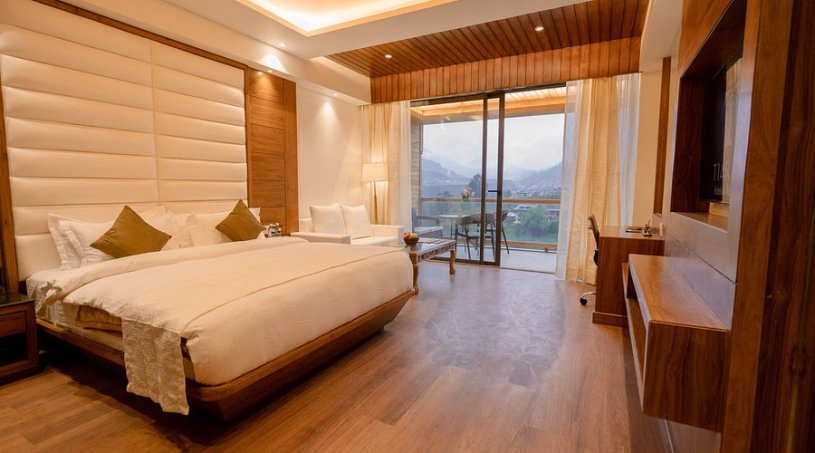
Introduction: Where Journeys Begin and Memories Linger
In the ever-evolving narrative of travel, hotels and resorts have long held a central role. These establishments are more than functional spaces to spend the night—they are extensions of the destinations themselves, vessels of culture, comfort, and character. Whether grand or intimate, minimalist or opulent, a well-crafted hotel or resort leaves an imprint that extends far beyond checkout. As modern travelers demand richer experiences and deeper connections, the hospitality industry is stepping forward with creativity, elegance, and renewed purpose.
The Origins of Hospitality: From Ancient Rest Stops to Global Icons
The concept of providing shelter to travelers dates back to antiquity. In ancient Mesopotamia, inns accommodated merchants along trade routes. In medieval Europe, monasteries opened their doors to pilgrims. As commerce expanded and societies modernized, these humble beginnings gave rise to grand establishments like the Hôtel de Crillon in Paris or Raffles in Singapore—emblems of sophistication that combined architecture, luxury, and personalized service.
In the 20th century, global travel became more accessible, prompting a diversification of hotel and resort types. From urban high-rises catering to business travelers to tropical resorts built for leisure and escape, hospitality became a multifaceted industry with offerings to match every traveler’s need and desire.
Hotels vs. Resorts: Understanding the Distinction
Though the terms “hotel” and “resort” are often used interchangeably, they offer distinctly different experiences.
-
Hotels are typically located in cities or transit hubs, focused on providing comfortable, efficient accommodations for business and short-term leisure travelers. They prioritize service, convenience, and functionality.
-
Resorts, in contrast, are destinations in themselves. Often situated in scenic, remote, or coastal locations, they are designed to offer a holistic experience—including recreation, relaxation, and sometimes even cultural immersion.
Both play vital roles in the world of travel, but understanding their unique qualities allows guests to align their stay with their purpose of travel.
Modern Expectations: What Today’s Guests Value Most
The 21st-century traveler is well-informed, experience-driven, and value-conscious. While comfort and cleanliness remain non-negotiable, there’s a growing appetite for accommodations that go beyond the basics.
Key elements modern guests look for include:
-
Authenticity: Travelers crave genuine experiences. Hotels and resorts that reflect local culture through architecture, art, and culinary offerings create meaningful impressions.
-
Wellness Integration: Wellness is no longer a luxury—it’s an expectation. Spas, yoga classes, organic menus, and mental well-being programs are now standard at upscale properties.
-
Sustainability: Eco-conscious travel is growing rapidly. Properties that embrace green building practices, eliminate single-use plastics, and support local communities are increasingly favored.
-
Personalization: Whether through AI-powered room preferences or thoughtful human touches, personalized service elevates the guest experience.
Boutique Hotels: Personality Over Uniformity
The rise of boutique hotels has added depth and diversity to the hospitality landscape. These properties typically feature fewer rooms, a unique design concept, and an emphasis on personalized service. Unlike chain hotels, which often strive for consistency across locations, boutique hotels celebrate individuality.
Why boutique hotels resonate with travelers:
-
Distinctive interiors and creative themes
-
Immersive cultural experiences
-
Locally sourced amenities and cuisine
-
A deeper connection between guests and staff
Often set in repurposed historic buildings or art-forward spaces, boutique hotels appeal to guests who value design, intimacy, and originality.
Resorts: Destinations Within Destinations
For those seeking a more indulgent escape, resorts offer an immersive world where every detail is designed for relaxation, recreation, or romance. A stay at a well-curated resort can feel like entering a private universe—separate from the outside world, yet rich in sensory and cultural experiences.
Common features of luxury resorts:
-
All-inclusive Options: Covering everything from dining to activities, creating a seamless, worry-free experience
-
Exclusive Amenities: Private beaches, overwater villas, infinity pools, and award-winning spas
-
Culinary Excellence: Multiple restaurants, often led by renowned chefs, with global and local influences
-
Curated Experiences: Scuba diving, cooking classes, nature hikes, and cultural workshops tailored to the locale
Whether nestled in the Caribbean, the Maldives, or the Swiss Alps, resorts are designed to captivate and cocoon.
Design and Atmosphere: The Subtle Power of Space
Design plays a silent yet profound role in shaping how guests feel during their stay. Hotels and resorts increasingly invest in architecture and interior design to communicate mood, style, and ethos.
Natural materials, biophilic elements, art installations, and thoughtful lighting contribute not just to aesthetics but to the emotional tone of a space. A well-designed lobby can evoke calm and grandeur in equal measure. A guest room can offer both function and sanctuary.
The atmosphere created through design often becomes the most memorable part of a guest’s experience—subtly influencing comfort, restfulness, and overall satisfaction.
Technology: Enhancing, Not Replacing, Human Connection
While technology continues to transform the guest journey—from mobile check-ins to AI-powered service—hotels and resorts are careful to strike a balance. Innovation should simplify and personalize without replacing the human touch that defines true hospitality.
Examples of tech-enhanced service:
-
Smart rooms with voice-activated controls and personalized settings
-
Contactless payment, check-in, and concierge services
-
Virtual concierge or chatbot assistance for quick requests
-
Guest apps that allow easy booking of amenities or excursions
The most successful implementations are those that fade into the background, enhancing convenience without compromising warmth and authenticity.
Looking Forward: Hospitality with Purpose
The future of hotels and resorts lies in purposeful evolution. The next generation of travelers is more conscious of their impact, more curious about cultures, and more interested in wellness and meaning than ever before.
Key trends shaping the future:
-
Regenerative Travel: Going beyond sustainability, regenerative hospitality aims to leave a positive impact on the environment and local communities.
-
Remote Work Integration: The rise of digital nomadism has led to extended stay packages, co-working lounges, and hybrid work-play environments.
-
Cultural Immersion: Guests want more than sightseeing—they want storytelling, interaction, and connection.
-
Emotional Intelligence in Service: Staff are being trained not just in procedure, but in empathy and emotional awareness to deliver more nuanced, human-centric service.
Conclusion: The Enduring Power of Place
In a fast-paced, digitally saturated world, the best hotels and resorts remind us of the value of presence. They are places where time slows, where surroundings soothe or inspire, and where service feels effortless yet profound. From towering city hotels pulsing with energy to remote resorts offering quiet reprieve, each property holds the potential to transform a simple stay into a lasting memory.
Ultimately, what sets exceptional hotels and resorts apart is not just their location or luxury—it’s their ability to connect people to place, and to each other, with grace and authenticity. In this lies the true art of hospitality.
 Go Vacations Travel Blog