
Introduction: More Than Just Sightseeing
As international travel becomes increasingly accessible, a growing number of globetrotters are turning away from the standard tourist checklist in search of something more enriching—authentic cultural immersion. Culture tours have emerged as one of the most meaningful ways to experience a destination, offering a deeper understanding of its people, traditions, history, and values. These tours are not just vacations; they are profound, transformative journeys that connect us to the heart of humanity.
What Defines a Culture Tour?
Culture tours go far beyond snapping photographs of famous landmarks or sampling exotic dishes at street markets. They are thoughtfully curated experiences designed to immerse travelers in the social, historical, artistic, and spiritual fabric of a destination.
Key Elements of a Culture Tour:
-
Historical Exploration: Visits to heritage sites, ancient ruins, monuments, and museums.
-
Artistic Encounters: Exposure to local music, dance, painting, crafts, and architectural styles.
-
Culinary Experiences: Cooking classes, traditional meals with locals, or food markets led by local guides.
-
Community Interaction: Conversations with indigenous people, artisans, and historians; homestays in local villages.
-
Cultural Ceremonies: Participation in or observation of festivals, rituals, and religious practices.
These elements are stitched together not only to entertain but also to educate and connect, creating a tapestry of understanding between visitors and host communities.
The Rise of Culture Tourism in the 21st Century
In a hyper-connected age, where social media tempts with glossy travel reels, the hunger for real stories and genuine experiences has never been greater. Culture tourism satisfies this craving.
Why It’s Gaining Popularity:
-
Desire for Authenticity: Many travelers today seek depth over superficiality.
-
Sustainable Travel Trend: Culture tours often emphasize eco-conscious, community-first tourism.
-
Learning as Leisure: People increasingly view travel as an opportunity for personal growth and education.
-
Digital Fatigue: Immersive cultural experiences offer a digital detox and a return to tactile, human engagement.
What was once a niche market for history buffs or anthropologists is now a mainstream trend drawing millennials, families, retirees, and solo adventurers alike.
Destinations That Excel in Culture Tourism
While nearly every corner of the globe has cultural riches to offer, some destinations stand out for their exceptionally immersive cultural environments.
Notable Culture Tour Hotspots:
-
Kyoto, Japan: Where Zen temples, tea ceremonies, and traditional geisha culture still thrive.
-
Rome, Italy: A living museum of art, architecture, and the vestiges of empire.
-
Marrakech, Morocco: A sensory journey through ancient medinas, spice markets, and Berber traditions.
-
Varanasi, India: A spiritual epicenter offering deep insight into Hindu rituals and philosophy.
-
Cusco, Peru: Gateway to Incan civilization and local Andean culture.
Each of these cities offers a multi-layered narrative—a fusion of past and present—that makes for a compelling cultural experience.
The Role of Guides and Local Hosts
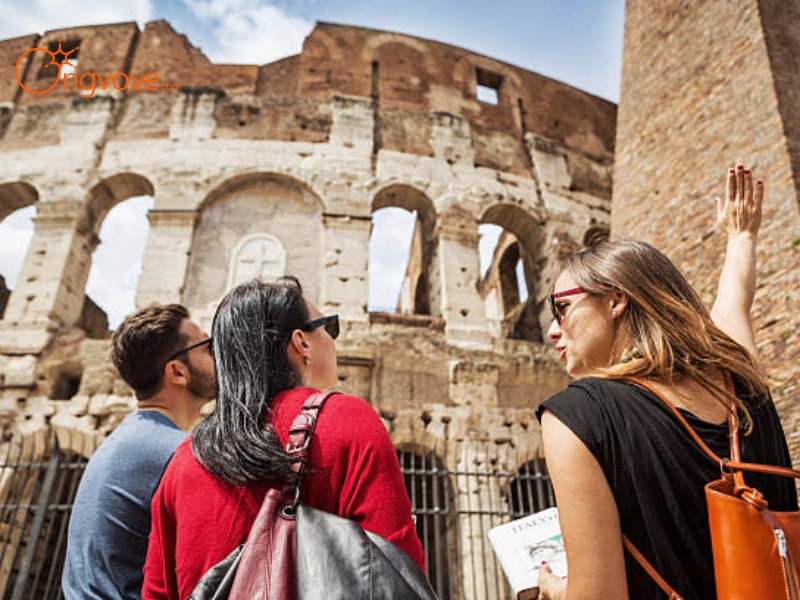
One of the greatest assets of a culture tour is the presence of informed, passionate guides—often locals themselves—who breathe life into their heritage. These storytellers transform stones into chronicles, customs into revelations.
A knowledgeable guide doesn’t merely explain; they interpret, contextualize, and inspire. Their insights enable travelers to appreciate cultural subtleties, from the symbolism in tribal textiles to the historical tensions embedded in architectural styles.
Challenges in Cultural Tourism
Despite its growing appeal, culture tourism is not without its challenges. The very authenticity that travelers seek can sometimes be diluted by commercialization or misrepresentation.
Common Pitfalls:
-
Over-tourism: Delicate cultural sites can be damaged by unchecked visitor numbers.
-
Cultural Commodification: When traditions are modified purely for tourist appeal, losing their original meaning.
-
Loss of Privacy: Communities may feel exploited or put on display, particularly in sensitive indigenous or spiritual settings.
To mitigate these issues, ethical culture tours adopt principles of respect, sustainability, and mutual benefit. Reputable tour operators collaborate closely with local communities to ensure that the experience honors and preserves cultural integrity.
Planning a Culture Tour: Tips for the Thoughtful Traveler
Embarking on a culture tour requires more than booking a ticket. It calls for mindful preparation and an open heart.
Tips for an Enriching Cultural Experience:
-
Do Your Homework: Read about the destination’s history and customs before arrival.
-
Engage Respectfully: Dress appropriately, ask permission before taking photos, and learn a few words in the local language.
-
Be Curious, Not Critical: Embrace differences with curiosity instead of judgment.
-
Support Local: Choose locally owned businesses and artisans over global chains.
-
Keep a Journal: Reflecting on your experience helps internalize what you’ve learned.
These simple practices not only enhance your journey but also show reverence to the cultures you’re privileged to explore.
The Lasting Impact of Culture Tours
Long after the passport stamps fade, the memories and insights from a culture tour endure. Such experiences often ignite new perspectives on identity, history, and global interconnectedness. They nurture empathy, challenge stereotypes, and foster a broader worldview.
For many, culture tours serve as turning points—moments when travel transcends tourism and becomes a vehicle for transformation. Whether it’s the quiet dignity of a centuries-old ritual or the joy of sharing stories with a stranger-turned-friend, these encounters stay etched in the soul.
Conclusion: A Journey to the Heart of Humanity
Culture tours are more than trips; they are bridges between people, times, and traditions. In a world increasingly divided by borders and biases, cultural tourism offers a unique form of diplomacy—travel not just with our feet, but with our minds and hearts.
Choosing to explore culture is choosing to understand. And in understanding, we not only enrich our own lives but also help preserve the diverse heritage of our shared planet.
 Go Vacations Travel Blog